How Traditional Stained Glass Is Made: A Definitive Guide
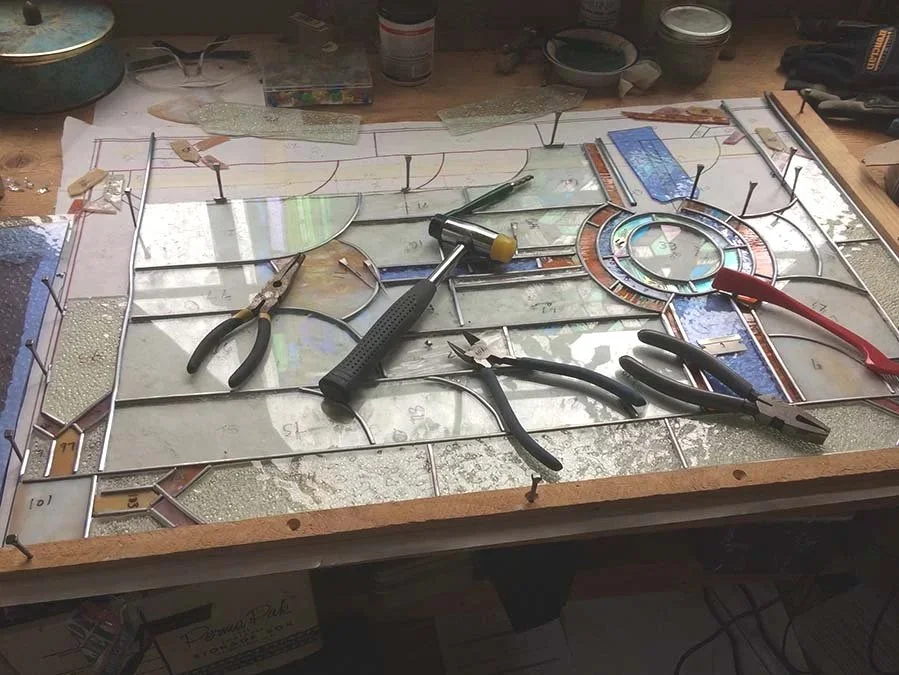
Ultraviolet Stained Glass Workbench
Would you rather watch a video? Click Here to watch me construct a lead came window.
A Brief Historical Background
Humans have been creating colored glass for thousands of years, dating back to the Egyptian and Babylonian empires. The earliest known stained glass window in England dates to around 675 AD. During the 14th century, stained glass flourished in religious architecture throughout Southwest Asia and Europe. Many of these windows are still being enjoyed in their original architecture today! These windows were not only artistic achievements but served educational purposes in Christian churches, helping illiterate worshippers absorb biblical stories visually. In mosques, where representational imagery is discouraged, glasswork instead features geometric and floral motifs. By the 19th century, stained glass was becoming a staple in wealthy private homes and has since become a beloved element of residential architecture.

Defining Stained Glass
Stained glass typically refers to colored glass pieces cut and assembled to form decorative windows and artistic objects. The colors are created during the manufacturing process using metal salts. In Europe the term "stained glass" commonly refers to glass that has been painted and/or silver stained, whereas colored glass assembled with lead came is called "leaded light(s)". For this article I will call all of it stained glass for clarity.
Stained glass can be found in structures of every kind, though they are especially common in historic buildings. This post provides a detailed overview of traditional leaded stained glass construction, from conception to installation.
Would you rather watch a video? Click Here to watch me construct a lead came window.
Materials Used in Traditional Stained Glass
Sheet Glass
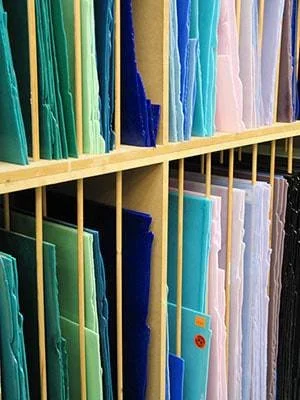
The foundation of stained glass is, of course, glass itself. Sheet glass comes in a wide variety of colors, opacities, and textures. In the United States, several manufacturers produce high-quality art glass. These include Bullseye Glass ( based in Portland, Oregon), Youghiogheny Glass, Kokomo Glass, Wissmach Glass, and Oceanside. Many professionals also use Lamberts Glass, produced in Germany, known for its specialized glass types. Artists choose between opalescent and transparent glass depending on the light levels and visual effects desired in a piece. Transparency and color saturation are essential artistic considerations. Most makers have a palette they work with of preferred glass types.
Lead Came
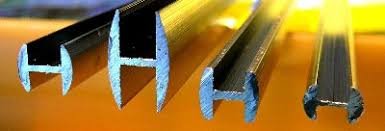
Traditional leaded windows use lead came—H-shaped channels made from lead that hold glass pieces together. Ultraviolet Stained Glass primarily uses this method due to its durability, versatility, and adherence to tradition. Craftspeople can choose from a range of came profiles, including flat, rounded, and ornamental shapes. After fitting the glass pieces into the came, the joints are soldered on both sides using a tin/lead solder mixture.
Cement
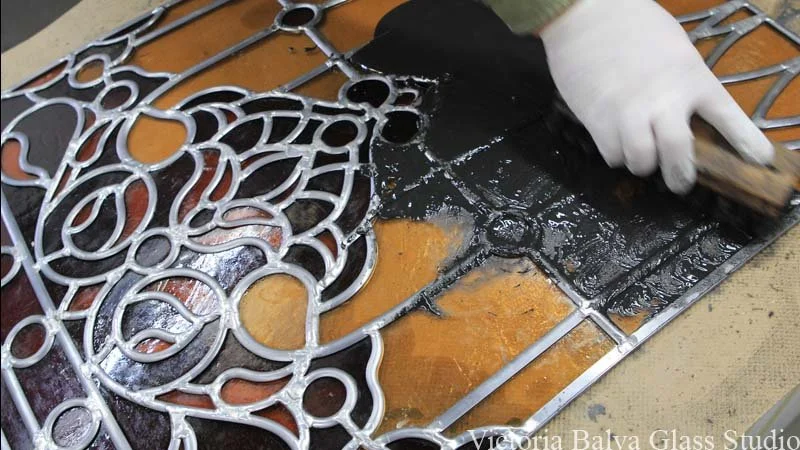
Once the panel is assembled, it is waterproofed and reinforced using a special cement made from calcium carbonate, boiled linseed oil, and other small additions like lamp black or turpentine. Different studios have their own recipes. This cement is brushed forcefully under the lead flanges to seal the panel, protect the metal from corrosion, and add strength. After application the excess is cleaned off, and the panel is buffed, leaving a rich patina.
Copper Foil and Solder (Tiffany Method)
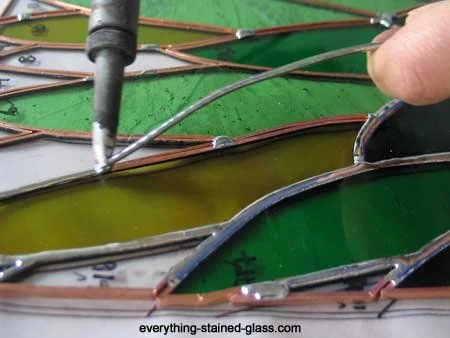
In the U.S., many artists also use the copper foil method, invented by Tiffany Studios around 1870. It involves wrapping the edges of each glass piece with copper foil and then soldering them together. This technique is ideal for intricate designs and 3D forms, such as the iconic Tiffany lamps.
Other Supplies
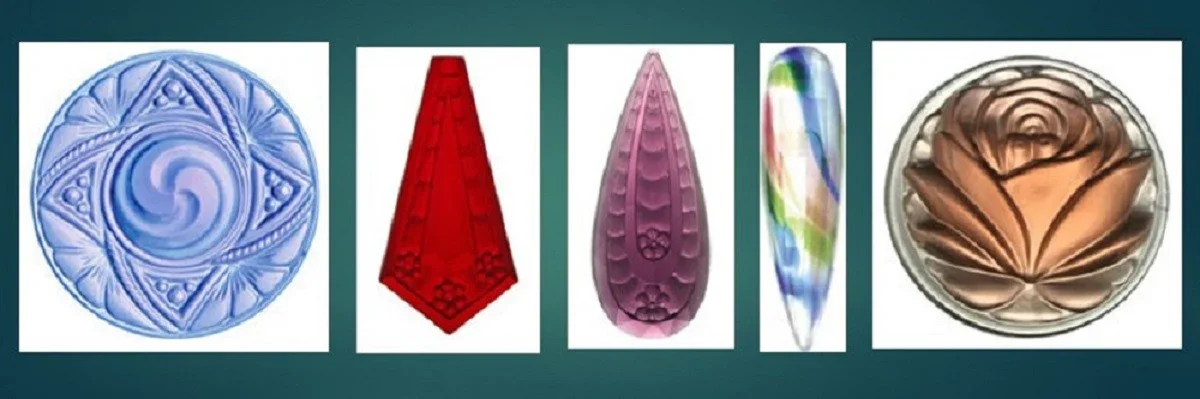
Depending on the project, artists may also use vitreous paints, etching materials, silver stain (turns clear glass yellow), steel rebar for reinforcement, zinc framing, and decorative elements like jewels, rondels, and found objects.
The Construction Process of Creating a Traditional Stained Glass Window
Design
Every custom stained glass project begins with a site visit. The craftsperson takes detailed measurements and notes light levels, colors, and architectural motifs. After discussions with the client, several design drafts are created and refined until a final version is approved. Colors, opacities, and textures are chosen collaboratively. The final design is reproduced in multiple copies for use in different stages of production. These are often referred to as cartoons. Choosing a great design is the single most important part of the process!
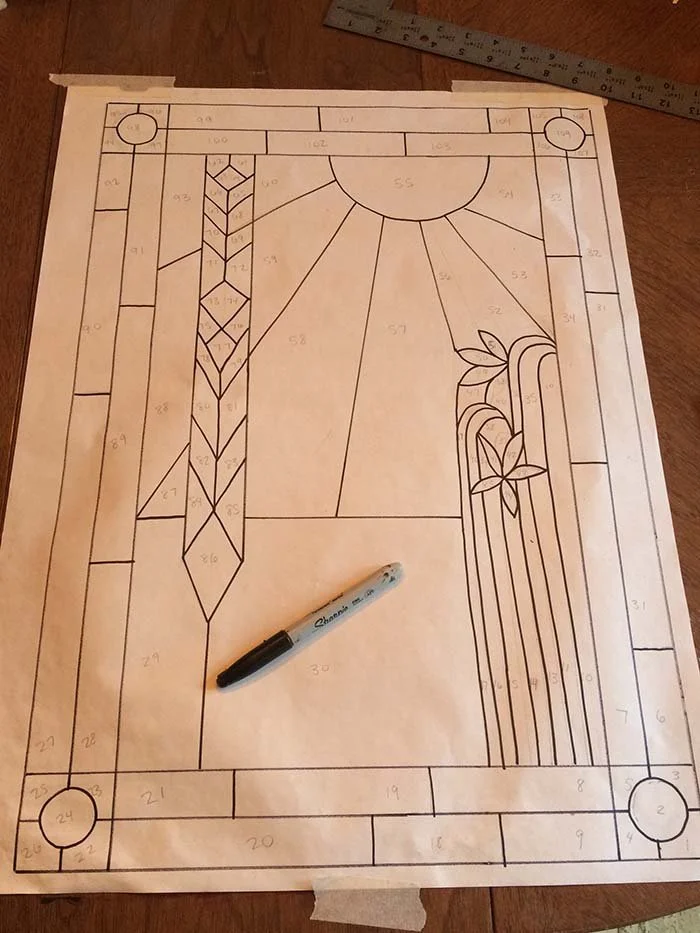
Saguaro Cartoon for Cutting
Glass Cutting
Precision is key in stained glass cutting. Using specialized glass cutters, the artist scores and breaks each piece according to the design. Breaking can be accomplished with the hands, by tapping, or using various breaking pliers. Tools like grozing pliers and grinders help shape the glass to fit snugly within the pattern if the breaking left jagged edges or left something to be desired for proper fit.
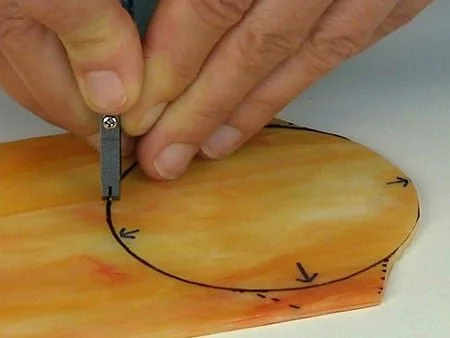
Glass Scoring
Painting and Firing
Some pieces are painted with vitreous paints to add shading, detail, or imagery if the design calls for such treatment. These paints are made from powdered glass and pigment. Once applied, the glass is fired in a kiln at high temperatures to fuse the paint permanently.
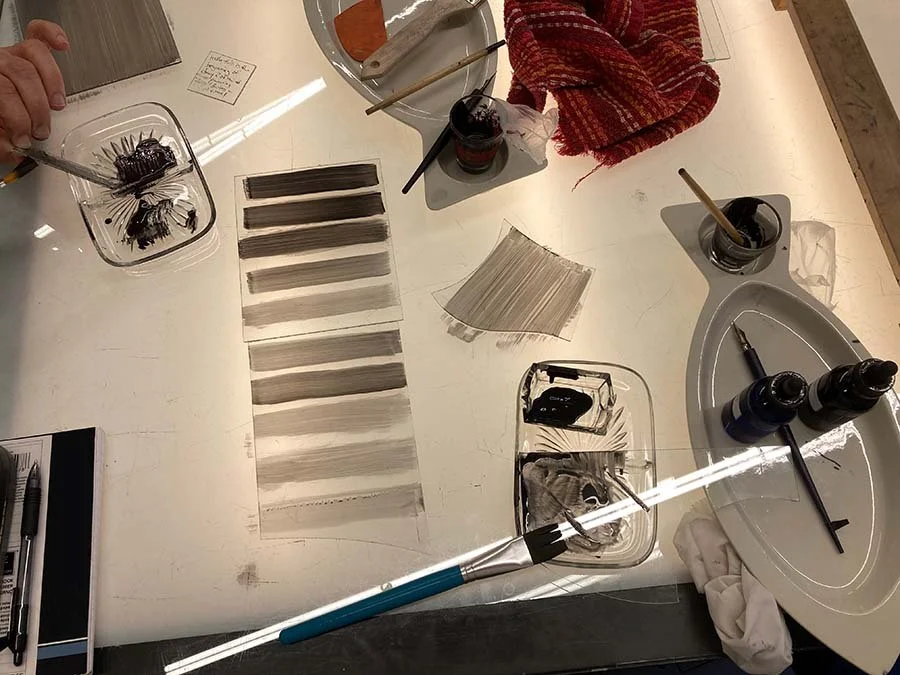
Light table
Assembly
Glass pieces are laid out on top of the cartoon (full-size design), and lead came or copper foil is applied. Joints are soldered, and for larger panels, steel reinforcement bars may be added. Proper assembly is crucial for both aesthetics and structural integrity.
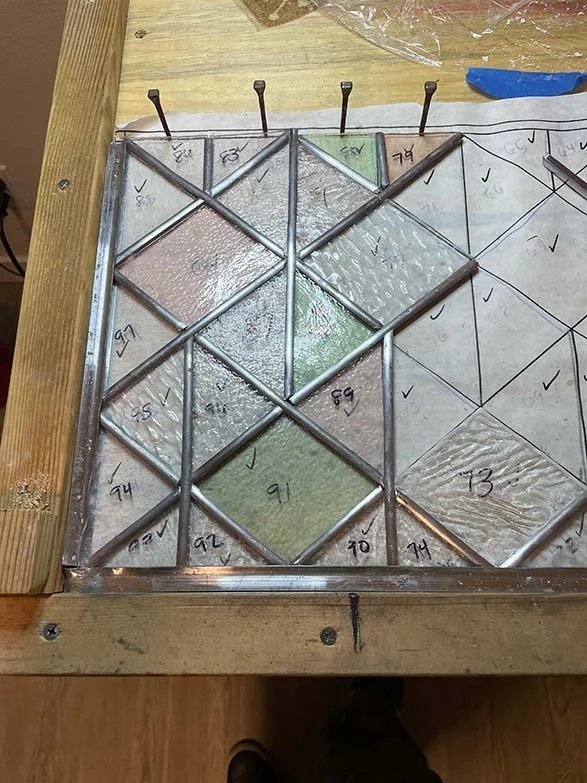
Progress shot of lead came construction
Installation
Before installation, the opening is cleaned and prepared. In some cases, stained glass panels are encased within triple glazing for insulation and protection. Installation requires careful handling and secure anchoring. When properly installed, a stained glass window can last for generations.
Check out this video of me constructing a large stained glass window.
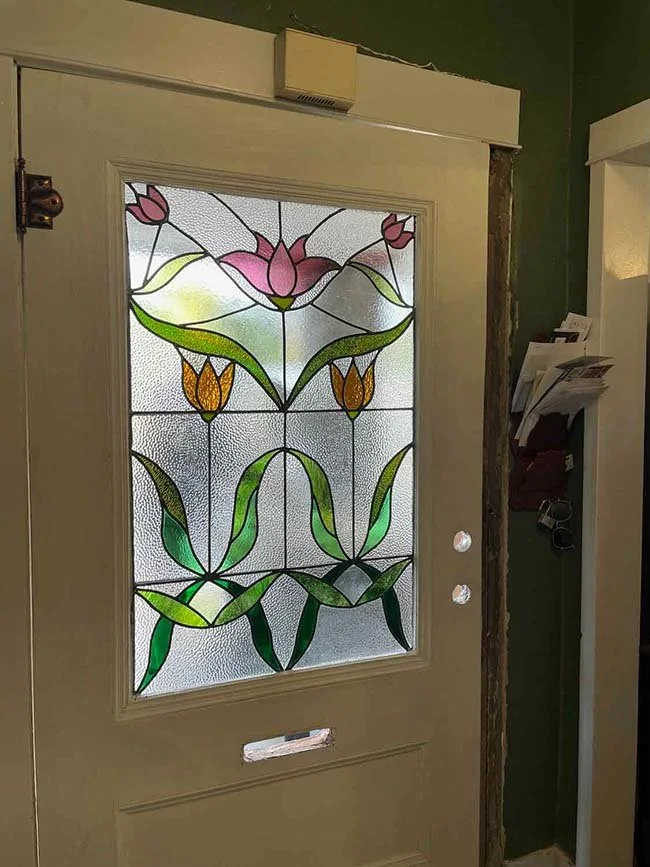
Installation in Progress
Preservation and Maintenance
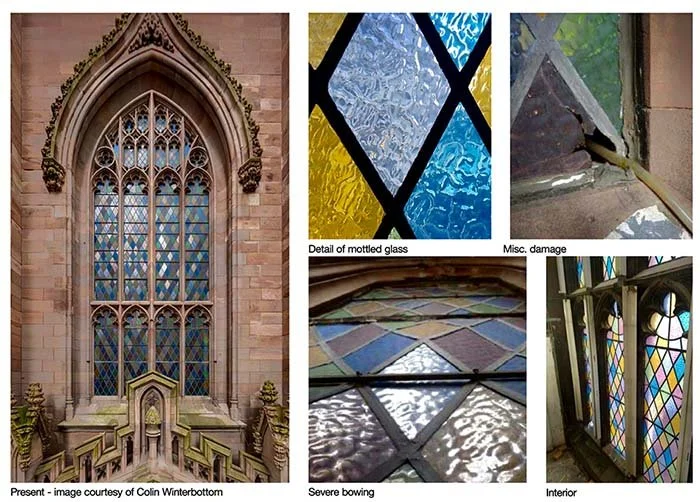
Historic stained glass can last centuries with proper care. After decades exposed to exterior elements, most windows will need a good inspection and possible restoration. Periodic re-cementing is advised depending on conditions, and in most cases it’s a good idea to replace the lead came after 100 years. Preserving stained glass ensures its artistic and historical legacy continues.
Conclusion
Creating traditional stained glass is a meticulous, multi-step process that combines craftsmanship with artistic expression. From design to installation, each phase requires skill, patience, and collaboration. Stained glass remains a unique and timeless way to enhance architecture, evoke emotion, and bring lasting beauty into the spaces we inhabit.
If you’re considering adding stained glass to your home or project, explore my portfolio. Commission a custom piece from a trusted, experienced artist—and feel free to reach out with questions. I’d be honored to bring your vision to light.